

Key Takeaways
- Erectile dysfunction (ED) is common and treatable at any age.
- Oral prescription medications are often the most effective first-line treatment.
- Lifestyle improvements like exercise, weight loss, and quitting smoking can significantly improve erectile function.
- Psychological factors such as stress and performance anxiety can contribute to ED and may require therapy.
- Hormone therapy is helpful when low testosterone is diagnosed.
- Advanced options such as injections, vacuum devices, and penile implants are available for severe cases.
- ED can sometimes signal underlying heart disease or diabetes, making medical evaluation important.
- Combining treatments (medication + lifestyle changes) often produces the best results.
Erectile dysfunction (ED) is far more common than many people realize. Millions of men across different age groups experience difficulty achieving or maintaining an erection at some point in their lives. While occasional problems are normal, persistent ED can affect confidence, relationships, and overall well-being. The encouraging news is that modern medicine offers several highly effective treatments, and most men can significantly improve their sexual function once the underlying causes are identified.
This guide explains the most effective erectile dysfunction treatments available today, how they work, and which options may be best depending on individual health conditions and lifestyle factors.
Understanding Erectile Dysfunction First
Before choosing treatment, it is important to understand what causes ED. Erections depend on proper blood flow, healthy nerves, balanced hormones, and psychological well-being. Problems in any of these areas can lead to erectile difficulty.

Common causes include:
- Reduced blood flow due to high blood pressure, diabetes, or heart disease
- Hormonal imbalances, particularly low testosterone
- Stress, anxiety, or depression
- Smoking, alcohol, or substance use
- Certain medications
- Nerve damage following surgery or injury
- Sedentary lifestyle and obesity
Because ED often reflects broader health conditions, treating the root cause frequently improves sexual performance as well.
Featured products
-

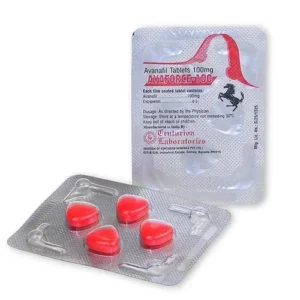
Avaforce 100 Mg
Price range: $79.00 through $154.00 -
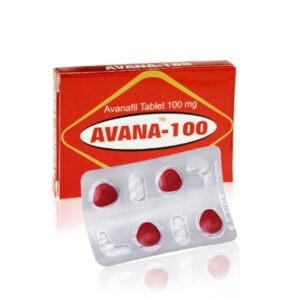
Avana 100 Mg
Price range: $84.00 through $165.00 -
Cenforce
Price range: $49.00 through $105.00 -
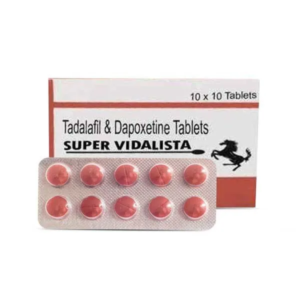
Super Vidalista
Price range: $52.71 through $279.61 -
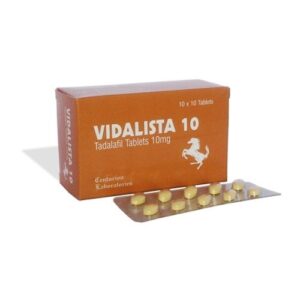
Vidalista 10 Mg
Price range: $71.00 through $179.00
1. Oral Medications (First-Line Treatment)
For many men, oral prescription medications are the most effective and convenient treatment. These medications work by relaxing blood vessels and increasing blood flow to the penis, making it easier to achieve and maintain an erection during sexual stimulation.
Benefits
- Easy to use
- High success rate
- Fast onset (30–60 minutes for most options)
- Can last several hours depending on the medication
Who they work best for
Men whose ED is primarily caused by reduced blood flow, mild nerve damage, or psychological factors often respond very well. However, individuals with certain heart conditions or those taking nitrate medications must consult a doctor before using them.
2. Lifestyle Changes That Improve Erectile Function
Many people underestimate how powerful lifestyle improvements can be. In some cases, men who adopt healthier habits experience noticeable improvement without needing medication.
Most effective lifestyle strategies
- Regular exercise: Improves circulation, testosterone levels, and cardiovascular health
- Weight loss: Reduces inflammation and improves blood vessel function
- Smoking cessation: Smoking significantly damages blood flow
- Limiting alcohol: Excess alcohol interferes with nerve signaling
- Better sleep: Poor sleep disrupts hormone balance
- Stress management: Anxiety can directly affect erection quality
Lifestyle treatment may take a few months to show results, but the benefits often extend beyond sexual health, improving energy, mood, and heart health.
3. Psychological Counseling and Sex Therapy
When ED is linked to performance anxiety, stress, depression, or relationship issues, psychological therapy can be extremely effective. Many men experience physical erectile problems because they are worried about performance, which creates a cycle of anxiety and repeated difficulty.
Therapy can help by:
- Reducing performance pressure
- Addressing relationship conflicts
- Treating anxiety or depression
- Improving communication between partners
- Rebuilding sexual confidence
In many cases, combining therapy with medical treatment produces the best results.
4. Vacuum Erection Devices (VEDs)
Vacuum erection devices are non-drug treatments that mechanically create an erection by drawing blood into the penis using gentle suction. A small ring is then placed at the base to maintain the erection during intercourse.
Advantages
- Drug-free option
- Useful for men who cannot take oral medications
- Can be effective after prostate surgery
- High safety profile
Some users require practice to become comfortable with the device, but many couples find it a reliable alternative.
5. Hormone Therapy
Low testosterone levels can contribute to reduced libido and erectile problems. When blood tests confirm testosterone deficiency, doctors may recommend hormone replacement therapy.
Possible benefits
- Improved sexual desire
- Better mood and energy
- Enhanced response to ED medications
Hormone therapy is only recommended when clinically necessary and should always be monitored by a medical professional.
6. Injectable or Urethral Medications
For men who do not respond to oral medications, doctors may prescribe medications delivered directly to the penis via injection or a small urethral suppository. These treatments increase blood flow quickly and can produce reliable erections.
Although injections may initially seem intimidating, many patients find them easy to use after training and achieve excellent results.
7. Penile Implants (Surgical Option)
When other treatments fail, penile implant surgery provides a permanent solution with very high satisfaction rates. Implants allow men to manually create an erection whenever desired.
Types
- Inflatable implants
- Semi-rigid rods
Surgery is usually recommended only after non-surgical treatments have been tried, but for severe ED, implants can restore sexual function effectively.
Choosing the Best Treatment of Erectile Dysfunction
The most effective ED treatment depends on several factors:
- Underlying medical conditions
- Age and overall health
- Severity of erectile dysfunction
- Psychological factors
- Personal preferences and lifestyle
A healthcare provider typically begins with medical history, physical examination, and sometimes blood tests to identify the cause. From there, a personalized treatment plan can be developed.
Often, the best results come from combining treatments, such as medication plus lifestyle improvements or counseling plus medical therapy.
People Also Ask
Can erectile dysfunction be permanently cured?
In many cases, ED can be reversed when the underlying cause is treated—such as improving cardiovascular health, managing diabetes, or addressing psychological stress. However, some chronic conditions may require ongoing treatment.
What is the fastest working treatment for ED?
Prescription oral medications are typically the fastest and most convenient treatments, often working within 30 to 60 minutes. Injectable medications can act even faster when needed.
Does exercise really help erectile dysfunction?
Yes. Regular aerobic exercise improves blood circulation, hormone balance, and cardiovascular health, all of which play major roles in erectile function. Studies show physically active men have lower rates of ED.
At what age does erectile dysfunction usually start?
ED can occur at any age but becomes more common after age 40 due to natural changes in blood vessels, hormones, and overall health. Lifestyle factors can accelerate or delay its onset.
Frequently Asked Questions (FAQ)
1. Is erectile dysfunction always related to aging?
No. While age increases risk, ED is often caused by treatable medical or psychological conditions such as stress, obesity, diabetes, or smoking.
2. Are natural remedies effective for ED?
Some natural approaches—such as exercise, improved diet, quitting smoking, and stress reduction—can significantly improve erectile function. However, herbal supplements should be used cautiously and only after consulting a healthcare professional.
3. How long should someone wait before seeking treatment?
If erectile problems persist for more than a few weeks or occur frequently, it is advisable to consult a healthcare provider. Early evaluation can identify underlying health issues that may need treatment.
4. Can ED be a sign of heart disease?
Yes. Erectile dysfunction is sometimes an early warning sign of cardiovascular problems because reduced blood flow affects erections before other symptoms appear. Medical evaluation is important.
5. Which treatment works best overall?
There is no single best treatment for everyone. Oral medications combined with lifestyle improvements are often the most effective starting approach, but the ideal solution depends on individual health conditions.
Final Thoughts
Erectile dysfunction is a treatable medical condition, not something men simply have to accept. With today’s wide range of therapies—from medications and lifestyle changes to advanced surgical solutions—most men can regain satisfying sexual function. The key is addressing the issue early, identifying the underlying causes, and choosing a treatment plan tailored to individual needs.
If erectile problems persist, consulting a qualified healthcare professional is the most important first step. Effective help is available, and for many men, treatment not only restores sexual performance but also improves overall health and confidence.
